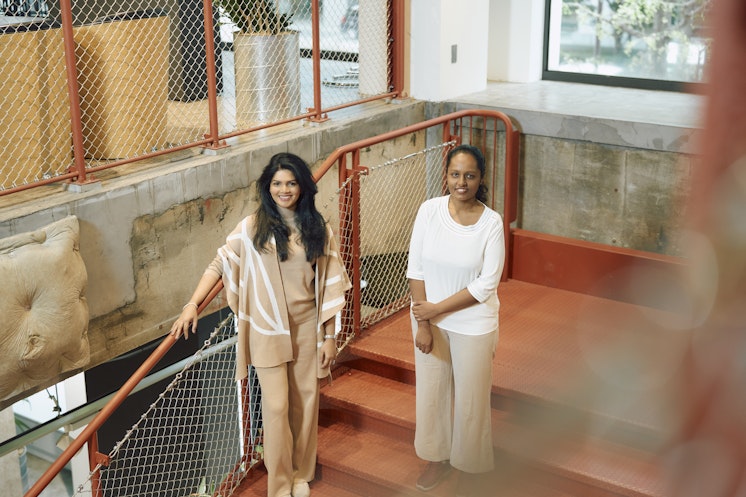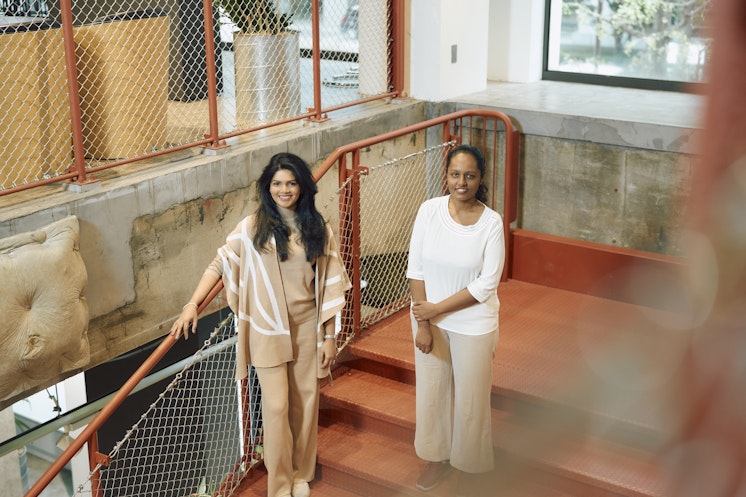


"Extending a helping hand the moment one senses someone needs assistance"—The Wellspring of UBSL's Warm Culture.
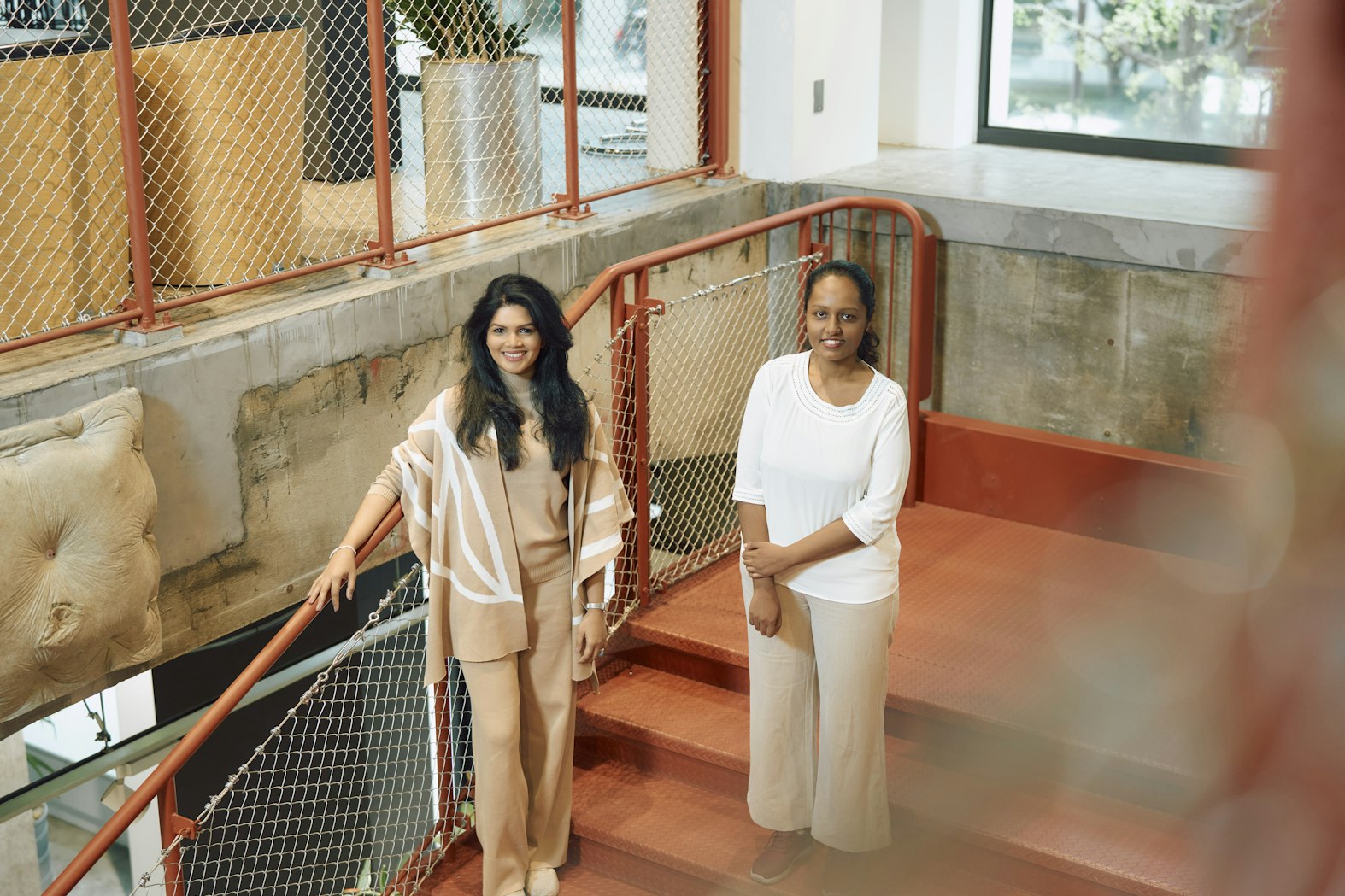
Dilini: UBSL's culture is deeply collaborative, rooted in a genuine commitment to supporting one another. . We constantly encourage being open and respecting one another. With members from diverse backgrounds, there are times we don’t immediately understand each other's thoughts, but we always support each other nonetheless.
We don't wait for someone to ask for help. The moment we sense that someone is "falling a bit behind" or "seems to need help," we naturally extend a helping hand. And when we achieve something, we don't consider it an individual accomplishment. We always view it as the result of team effort. No matter how small the contribution, we understand that it's part of what leads to great achievements, and we value properly acknowledging it.
Kanchana: I think we feel warm because we value each other as "human beings" before being work colleagues. Even when meetings start, we don't immediately jump into work talk—it's normal to begin with conversations like "How have you been lately?" and "Are you doing well?" I feel that these daily interactions contribute to the warmth.
As Dilini said, we celebrate small successes together, and when someone is struggling, we notice and support them. These small gestures accumulate to form the core of our culture. It's the human connection itself.

Dilini: I think it's truly unique to UBSL. Having worked at other companies before, I immediately felt the difference when I joined Uzabase. Uzabase isn't a company that just puts up values for marketing purposes. Each employee truly practices and embodies those values. I feel that the culture is deeply rooted in the system.
Kanchana: We are all connected by The 7 Values. I think that's what greatly distinguishes us from other companies in Sri Lanka. UBSL is young and an organization where women play central roles. We support flexible working styles, continuous learning, and young people. It's not just about work—there's always human interaction. That's why I think UBSL is a very unique presence among generally hierarchical Sri Lankan companies.
Not HR-Driven, but Bottom-Up Appreciation Culture
Dilini: Interestingly, it started completely bottom-up. It wasn't directed by HR or leaders—voices saying "let's do it" came from among the members. We thought, why don't we celebrate ourselves in the office when women and men are being celebrated worldwide?
Particularly, many women are active in our workplace, but for instance, when they take maternity or parental leave, it's often the male members who step in to cover their work. Thanks to their support we as working mothers can raise our children with peace of mind.We wanted to take this opportunity to express our gratitude for that. Of course, from the men's perspective, there must be situations where they feel women support them in various ways too.
When we celebrate, we personalize messages and gifts for each individual. Rather than generic "thank you!" messages, we think of words that deeply resonate with that person, like "thank you for that time" or "this aspect of you is wonderful." The men also know we appreciate flowers and chocolates. It’s a small gesture, but it reflects a genuinely caring and thoughtful culture.
Kanchana: Our organization is flat, so there's an atmosphere where everyone can easily talk. As I mentioned earlier, having personal conversations beyond work is part of our daily routine, so we naturally come to understand what each person values and how they've been recently. So rather than struggling to think of special messages, words come out quite naturally.
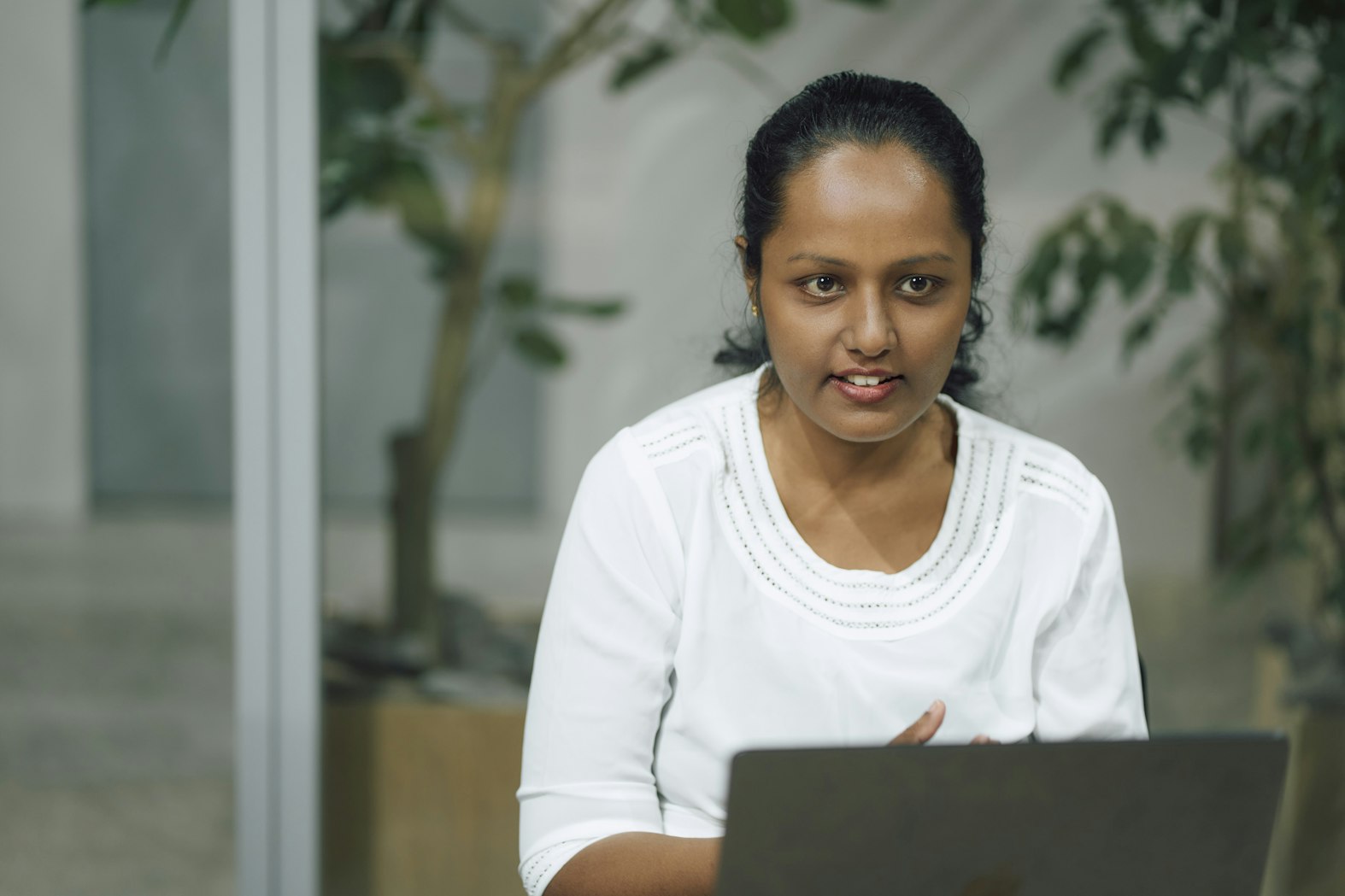
Dilini: Active interaction across teams is also significant. As a company, we've secured budget to promote collaboration between teams. Through offsite meetings, company-wide trips, and club activities, there are many opportunities to get to know members outside your own team. Recently, we've also started knowledge-sharing sessions across teams. Through these initiatives, we avoid becoming siloed and deepen our knowledge and connections with each other.
Kanchana: During the pandemic, precisely because we were physically separated and feeling mental stress, these initiatives became even more important. Small gestures like sending personalized messages and flowers became powerful messages saying "you're still an important member of us" and "we're connected." Even though we were physically apart, we wanted to maintain emotional connections. With that feeling, we continued these initiatives.
Dilini: Due to physical distance, I felt strongly these initiatives should continue. What connects us isn't whether we're in the office, but our culture itself. I believe there's real power in the smiles that small gifts and messages bring. Of course, logistics were challenging at the time, and delivering the presents wasn’t always easy. But we believed the effort was absolutely worth it.
Flatness is common, what differs is speed and emotional expression
Dilini: What we have in common is a very flat culture. There's no rigid hierarchy, and everyone is encouraged to speak freely. This is completely different from typical Sri Lankan corporate culture where you must address bosses as "Sir" or "Madam."
If I were to mention differences, UBSL is very proactive about challenges. We like to take on new things and move forward quickly. Even if we fail, we have the mentality to view it as a wonderful learning experience. On the other hand, the Japan office seems to have more of a tendency to avoid risks. They calculate everything carefully before taking action, which sometimes might cause them to miss opportunities.
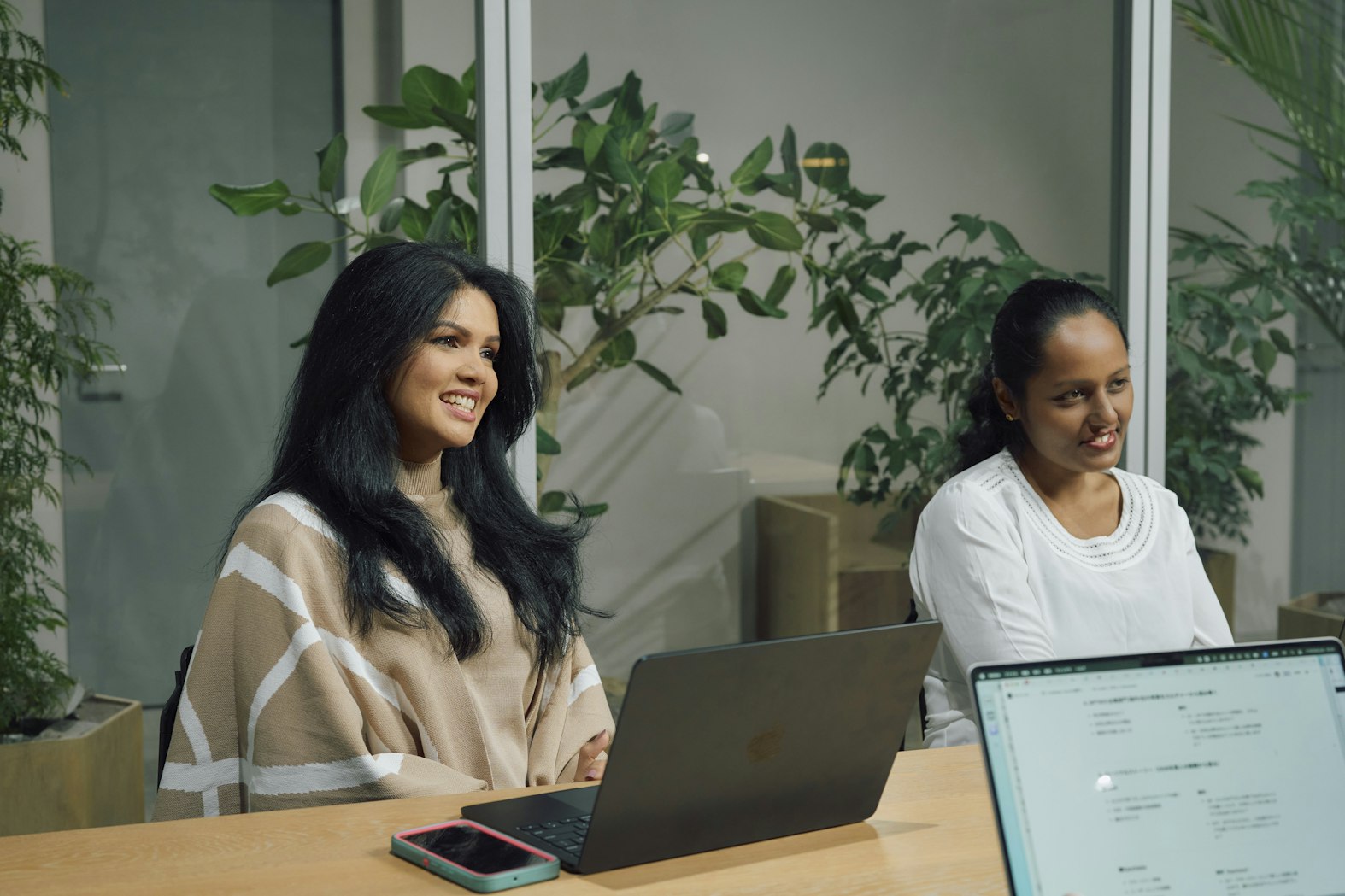
Kanchana: As a commonality, I feel flexible working styles and a strong will to create a positive workplace environment. I think this is a leadership purpose common to both offices.
The difference might be in how we express emotions. In Sri Lanka, we express gratitude and feelings more openly. It's natural to verbally praise members' contributions. In Japan, while attention to detail and accuracy are valued, I feel that expressing emotions straightforwardly is somewhat more reserved.
"Women's Capacity is Much Greater Than We Think" — Career Philosophy of Dilini, a Leader and Mother of Four
Dilini: Serving as a leader as a single parent raising four children, what I've learned is the importance of "resilience" and "the ability to organize things." And focusing on what's in front of you. This is very helpful for maintaining peace of mind both at work and at home. Life doesn't go according to plan. I believe that accepting this reality and responding flexibly to situations leads to better results.
The experience of losing my husband taught me how much capacity a single woman can have. It far exceeds the limits you think are possible. I prioritize my own well-being first, then the well-being of my family and team members. And I try to view any challenge as an opportunity for learning and growth.
I want my children to know that strength, patience, and kindness can coexist. Life's setbacks don't define a person—how you rise from them shapes who you are. I want them to believe in themselves and courageously pursue their dreams.
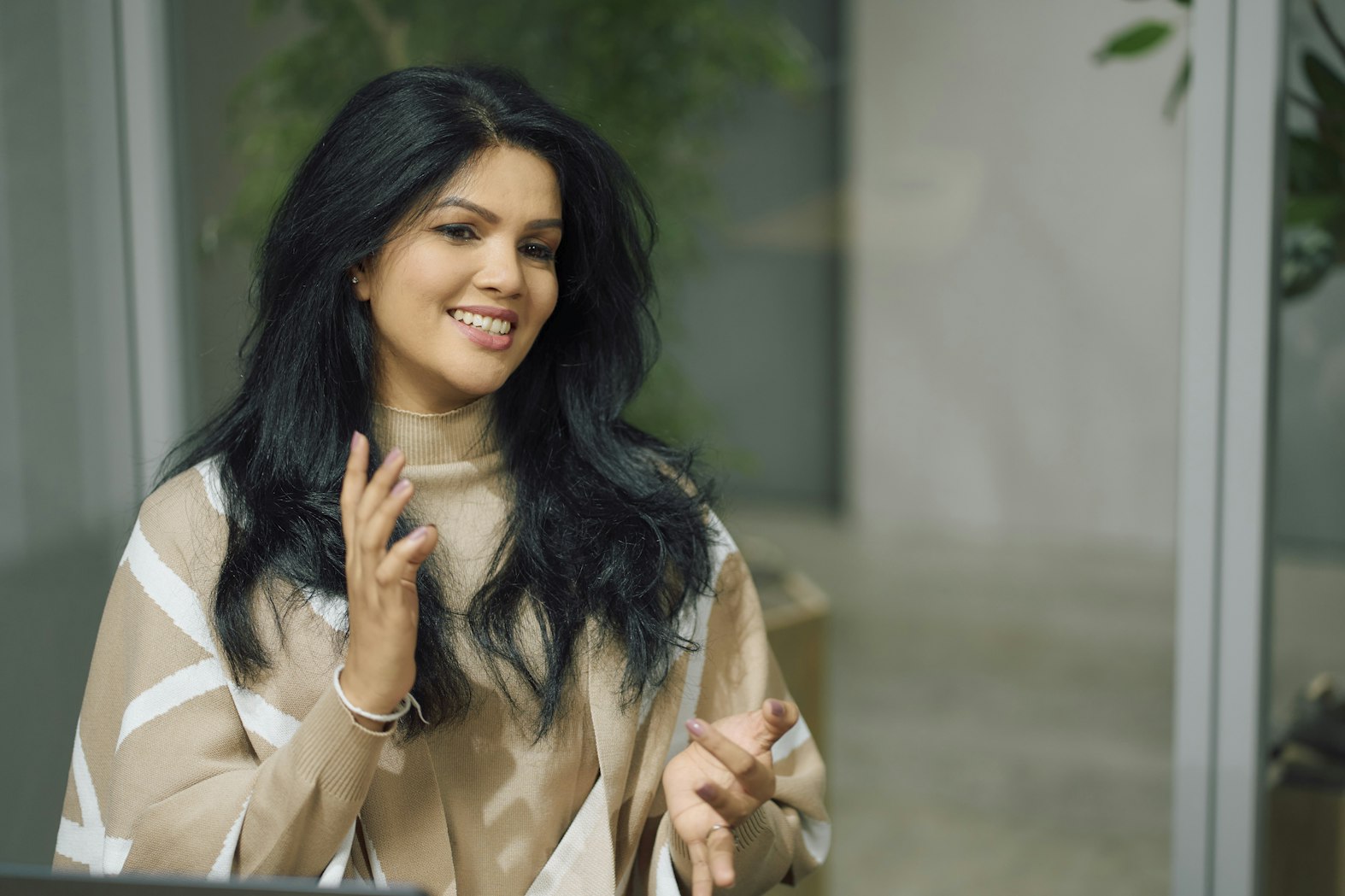
"My Growth or Team Growth?" ──The balance Kanchana found
Kanchana: One of the biggest challenges was how to balance my own growth with my team's growth. While I want to grow as a professional myself, I also need to guide each team member's career growth.
What I learned through this challenge is that "I don't need to do everything myself." I have a trustworthy team. I realized it's important to rely on members as a leader and to understand each person's strengths and weaknesses, supporting them so they can perform at their best.
Another challenge is leading the team during periods of rapid change. We collaborate with teams from multiple countries including Japan and China. Because cultures and communication styles differ, we need to listen more carefully to others and try to understand them with empathy. This is challenging, but it's also an opportunity that helps us grow into a more global and agile team.

Our perspectives are changing the organization
Kanchana: Being a woman should not limit your possibilities. Just as there are no limits to the sky, there are no limits to our possibilities. When more women are in leadership positions, organizations gain more empathy, flexibility, and diversity. I want to see workplaces where men and women have equal opportunities and can contribute together to decision-making.
Dilini: And never underestimate your own unique perspective. Don't be afraid to speak up and openly express your opinions. Historically, women have been asked to step back. But it's precisely that unique perspective that brings new ideas to organizations and transforms them into more inclusive and powerful entities. We should continue to encourage more women to participate in larger decision-making processes.
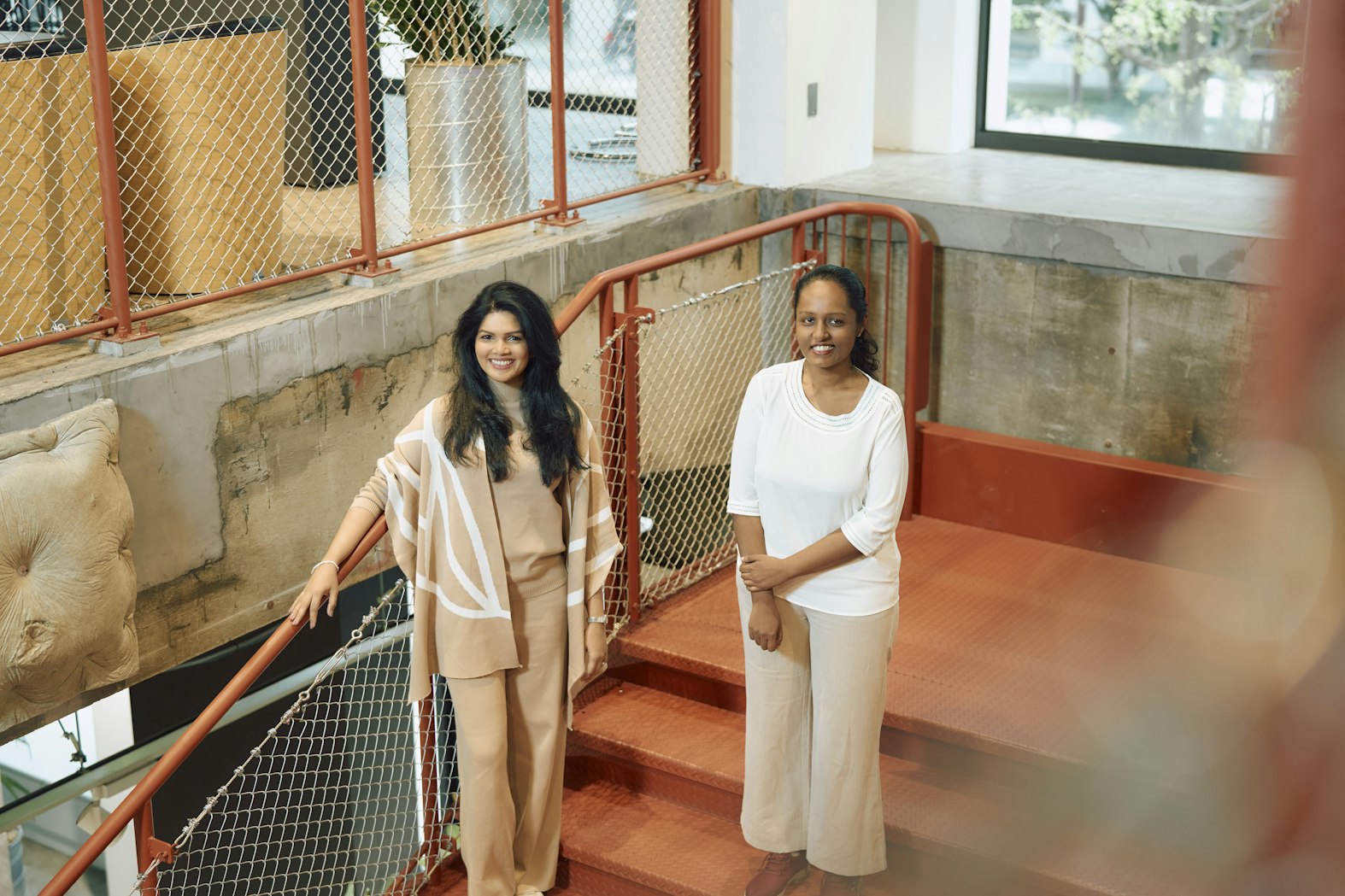
Editor's Note:
From the words of the two, it was conveyed that the source of UBSL's strength lies not merely in systems or rules, but in the depth of human connections nurtured daily by each individual member.
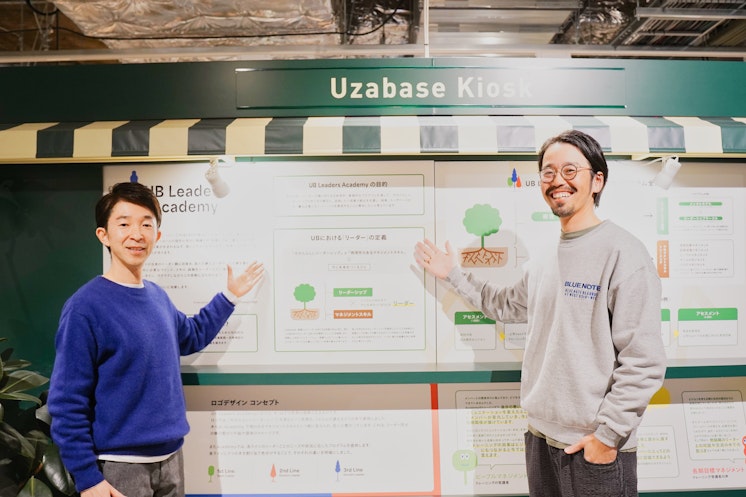
Since I don't speak English, I conducted the interview with a member who could speak English providing simultaneous interpretation, and both of them responded to the interview very sincerely with a truly warm atmosphere! I reaffirmed my desire to visit the Sri Lanka office for a report someday.